
If someone you love has just suffered a catastrophic injury, whatever the circumstances, the first question on your mind isn’t legal, it’s human: Where do we go? Who can actually help?
You’re probably in a state of shock right now. Maybe it happened on the road, at a worksite, or in a store.
Tucson has specialized hospital resources for traumatic brain injuries, spinal cord damage, severe burns, and other life-altering conditions.
Knowing which facility handles what, and what questions to ask, can make a real difference in your loved one’s recovery. It can also matter legally, because the quality of care your family member receives, and the records kept along the way, can become critical evidence if someone else’s negligence caused this injury.
This guide walks you through Tucson’s main hospitals for catastrophic injury care, what each one specializes in, and how a skilled attorney can help your family find a path forward.
What Makes an Injury “Catastrophic”?
Catastrophic injuries are those that permanently alter how a person lives. They don’t just require emergency treatment. They reshape everything: career, independence, relationships, finances.
Common catastrophic injuries seen in Arizona include:
- Traumatic brain injuries (TBIs)
- Spinal cord injuries and paralysis
- Severe burns covering large areas of the body
- Amputations and crush injuries
These cases are different from a broken arm or a torn ligament. They require a different level of hospital, a different kind of legal representation, and a completely different approach to recovery planning.
Tucson’s Main Hospitals for Catastrophic Injury Care
(520) 694-0111
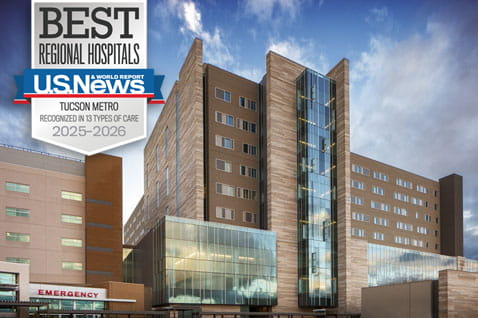
1. Banner University Medical Center Tucson: Southern Arizona’s Only Level I Trauma Center
When a catastrophic injury happens in or around Tucson, Banner University Medical Center Tucson is often the first stop, and for good reason. It’s Southern Arizona’s only Level I Trauma Center, meaning it’s equipped to handle the most critically injured patients around the clock.
A Level I designation isn’t just a title. It means the hospital maintains 24/7 immediate coverage by specialist surgeons, has a dedicated trauma research program, and treats a minimum volume of severe injury cases each year to maintain its skills and protocols. It’s the highest trauma certification available.
For catastrophic injury survivors, Banner’s relevant specialties include:
- Neurology and Neurosurgery for traumatic brain injuries, spinal cord damage, and stroke
- Spine care for vertebral fractures and paralysis-related conditions
- Burn care for severe thermal injuries
- Intensive Care for multi-system trauma requiring close monitoring
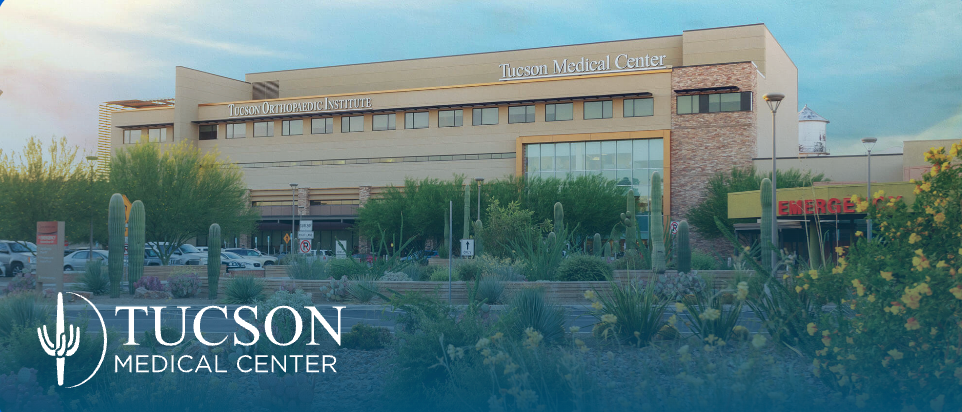
2. TMC Health: Neurology, Orthopedics, and Cardiovascular Care
5301 E Grant Rd, Tucson, AZ 85712
TMC Health, anchored by Tucson Medical Center, describes its neurology program as “Southern Arizona’s most comprehensive resource for diagnosing and treating neurological conditions in patients of all ages.”
For catastrophic injury survivors, TMC’s key offerings include:
- Neurology for brain and nervous system conditions across all age groups
- Orthopaedics covering advanced surgical, non-surgical, and rehabilitation services
- Cardiovascular care for patients facing stroke and heart-related consequences of trauma
TMC also runs comprehensive programs connecting neuroscience, orthopedics, and rehabilitation services under one system of care, which matters when a patient needs multiple specialists working together.
Understanding Trauma Center Levels in Arizona
If you’re unfamiliar with how trauma center designations work, here’s a quick breakdown:
Level I: Full-service trauma center, 24/7 specialist coverage, research program, highest volume of severe cases
Level II: Provides comprehensive trauma care but without the research requirement
Level III: Stabilizes and transfers patients to higher-level centers when needed
The Arizona Department of Health Services designates and oversees trauma centers statewide.
Brain Injuries Deserve Specialized Attention
Traumatic brain injuries are among the most complex catastrophic injuries to treat and document.
Symptoms don’t always show up right away. A person can walk out of an emergency room, seem fine for days, and then experience personality changes, memory loss, or cognitive decline that persists for years.
If your loved one suffered a head injury, don’t wait. Even if initial scans appear normal, follow-up neurological evaluation is critical.
This is also where legal documentation starts. A thorough, well-documented medical record from a specialized neurologist is one of the most important pieces of evidence in a catastrophic injury case.
Attorney Insight: Why Your Attorney Needs to Understand the Medicine

Most personal injury attorneys understand car accidents and slip-and-falls. Catastrophic injury cases are a different animal entirely. It involves complex medical records, expert witnesses, long-term care projections, and corporate liability that can span multiple defendants.
Our personal injury attorney Gabriel V. Kory specializes in serious injury and wrongful death cases, particularly those involving medical negligence and institutional misconduct.
Earlier in his career, he represented hospitals, nursing homes, and care facilities on the defense side. That gave him a firsthand look at how these institutions operate and how they respond when injuries occur.
He also serves as an Assistant Professor of Practice at the University of Arizona College of Medicine in Phoenix, teaching physicians how to identify and document signs of harm. That background matters in catastrophic injury cases, where your loved one’s medical records can become critical evidence in what happens next.
What Comes After the Emergency Room: The Road to Recovery
Surviving a catastrophic injury is only the beginning. What follows is a long road that most families aren’t prepared for.
Here’s what the process typically looks like:
Acute care: Immediately following injury, the priority is stabilizing the patient. This happens at Level I or Level II trauma centers.
Inpatient rehabilitation: Once stable, many catastrophic injury survivors move to a specialized rehabilitation hospital. These facilities focus on regaining function through intensive physical, occupational, and speech therapy.
Outpatient and long-term care: Recovery often continues for months or years through outpatient therapy, home health services, and ongoing specialist visits.
Your legal case needs to account for every phase of this. That means documenting current medical costs and projecting future care needs, lost earning capacity, home modification costs, and quality of life impacts. An attorney who handles catastrophic injury cases regularly will bring in the right experts to build that picture.
FAQs: Catastrophic Injuries in Tucson, Arizona
Q: What’s the difference between a traumatic brain injury and a concussion?
A concussion is a mild TBI, usually temporary. A traumatic brain injury in the catastrophic injury context typically refers to a severe or moderate TBI with lasting effects on cognition, personality, memory, or motor function. These cases require specialized neurological evaluation, not just an ER visit.
Q: How long do I have to file a personal injury claim in Arizona?
A: Arizona’s statute of limitations for personal injury cases is generally two years from the date of the injury. But certain cases involving government entities or minors have different rules. Don’t wait. The sooner you consult an attorney, the better your evidence preservation will be.
Q: What if my loved one can’t communicate after the injury?
A: A family member or appointed guardian can pursue a legal claim on behalf of someone who is incapacitated. Arizona courts recognize this, and an attorney can help establish the right legal structure quickly.
Q: How do you calculate damages in a catastrophic injury case?
A: It’s not just current medical bills. A thorough catastrophic injury case factors in future medical care, rehabilitation costs, lost wages (including future earning capacity), home modifications, assistive equipment, and pain and suffering. Life care planners and economic experts are often brought in to calculate these numbers accurately.
Q: Does it matter which hospital treated my family member for my legal case?
A: Yes. The quality of documentation in your loved one’s medical records can significantly affect your case. Detailed imaging, specialist notes, and treatment records from a recognized trauma or neurology center carry weight with insurance companies and juries alike.
Q: Can I still pursue a case if the injury happened partly due to my loved one’s own actions?
A: Arizona follows a pure comparative fault rule. This means even if your loved one was partially at fault, you can still recover damages, reduced by their percentage of fault. Don’t assume negligence on your loved one’s part ends your case.
Bottom Line
Tucson has real resources for catastrophic injury care, starting with the only Level I Trauma Center in Southern Arizona. But navigating those systems while fighting for fair compensation is too much to carry alone.
If someone’s negligence caused your loved one’s injury, you deserve an attorney who understands both the medicine and the law.
Contact Miller Kory Rowe LLP today at (602) 560-9595 for a free consultation. You don’t pay unless we win.