
A urinary tract infection sounds routine. Most people catch one at some point in their life, take a round of antibiotics, and move on.
But for a nursing home resident, an untreated UTI can spiral into sepsis in a matter of days.
A UTI does not automatically mean that a nursing home neglected a resident. Neither does sepsis.
But when an infection becomes severe because warning signs were missed, hygiene needs were ignored, medical care was delayed, or changes in a resident’s condition were not properly addressed, the circumstances deserve careful investigation.
If you believe an elderly loved one suffered because of nursing home neglect in Arizona, Miller Kory Rowe nursing home neglect attorneys can help you understand what happened and what options may be available to your family.
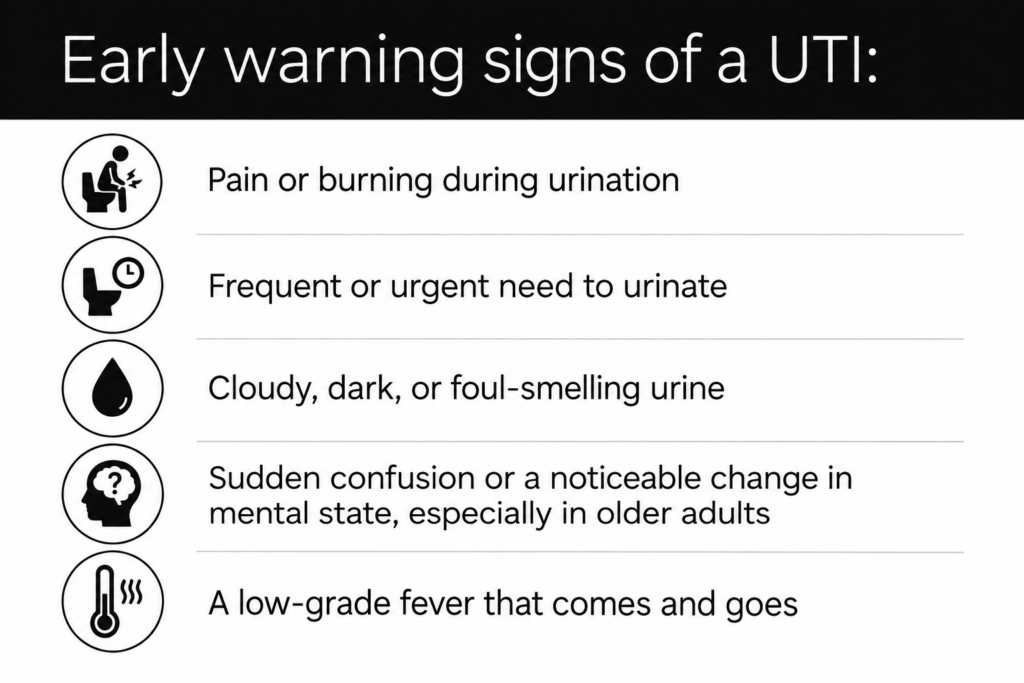
What Is a UTI?
A urinary tract infection happens when bacteria, usually from the skin or rectum, enter the urethra and infect part of the urinary tract, which includes the bladder, urethra, and kidneys.
The CDC notes that a bladder infection is the most common form, while a kidney infection is less common but more serious.
What Is Sepsis?
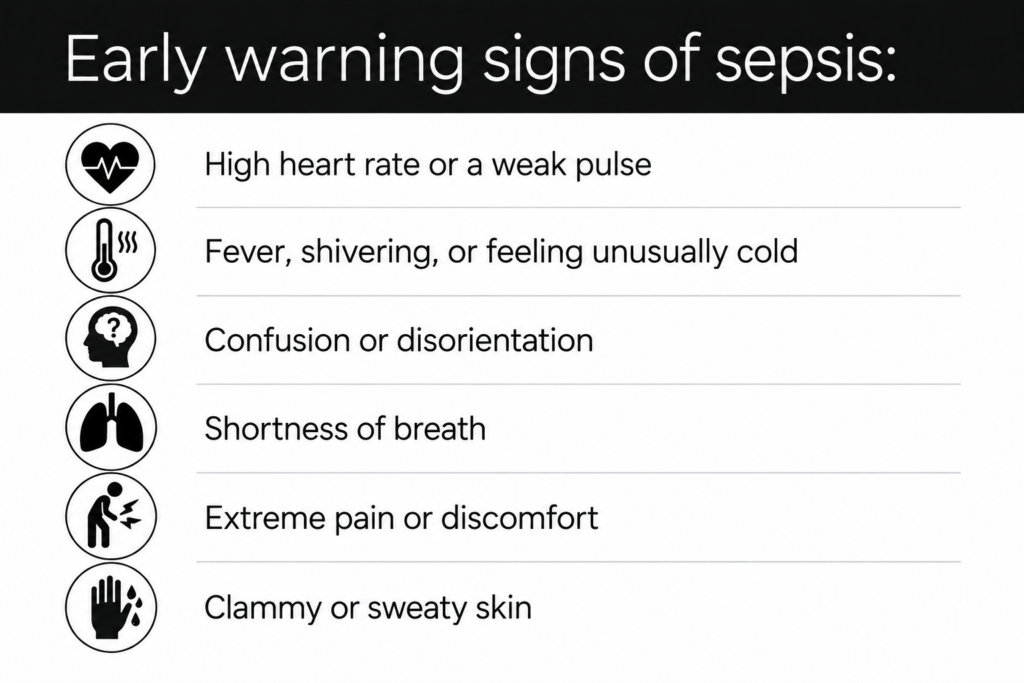
Sepsis is the body’s extreme, damaging response to an infection already in the system.
The CDC explains that it’s a life-threatening medical emergency that can trigger a chain reaction throughout the body, and without fast treatment it can quickly lead to tissue damage, organ failure, and death.
What Is Urosepsis?
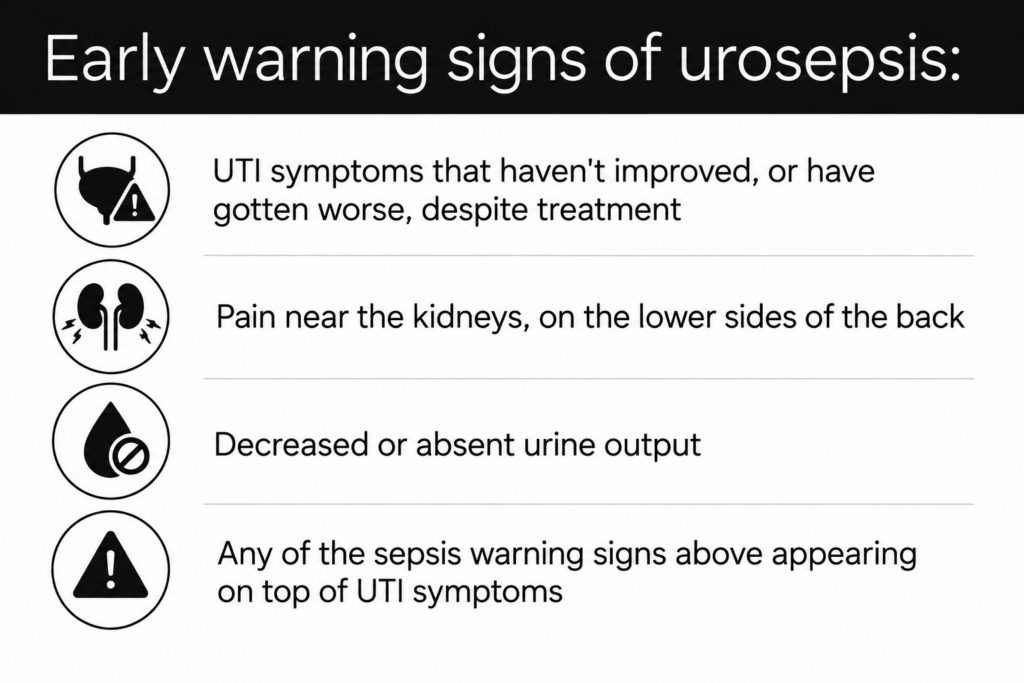
Urosepsis is the term for sepsis that starts in the urinary tract, most often when an untreated UTI spreads to the kidneys and bacteria enter the bloodstream.
Cleveland Clinic explains that it’s a medical emergency requiring prompt treatment, since it can progress to organ failure or death if missed.
How a Routine Infection Turns Into a Medical Emergency
Sepsis is the body’s extreme, damaging response to an infection already in the system.
The CDC reports that infections leading to sepsis most often start in the urinary tract, lungs, skin, or gastrointestinal tract. Without fast treatment, sepsis can lead to tissue damage, organ failure, and death within hours, not weeks.
This isn’t a rare complication. The CDC estimates that about 1.7 million adults in the United States develop sepsis each year, and at least 350,000 of them die during hospitalization or are discharged to hospice.
Elderly adults with chronic conditions are among those at the highest risk.
Why Nursing Home Residents Are Especially Vulnerable
Some nursing home residents depend on staff for almost everything: staying clean, getting repositioned, taking medication on time, and having changes in their condition caught early.
When that care falls short, the consequences show up fast.
Hygiene neglect is often where it starts.
A resident who isn’t cleaned or repositioned regularly is at much greater risk for skin breakdown. Bedsores are a direct result of this kind of missed care, not a random medical event.
Infections follow the same pattern.
CDC surveillance data shows that 20 to 50 percent of long-term care residents carry bacterial colonization at any given time, and those with catheters face a documented risk of it spreading into the bloodstream. Left unmonitored, that progression can lead to bacteremia and septic shock. It happens when symptoms go unreported or a resident’s complaint gets brushed aside.
The core issue is dependency.
Residents can’t reposition themselves or insist on a doctor’s visit when something feels wrong. They rely on staff to notice and respond, and the CDC notes that 1 to 3 million serious infections occur in long-term care settings every year, often in residents already at higher risk due to age and chronic conditions.
Facilities are required to catch this kind of decline early. When staffing is thin, that monitoring is the first thing to go, and residents pay for it.
When These Signs Point to Neglect
A single missed symptom might be an honest mistake. A pattern is different, and it lines up with the broader signs of nursing home neglect families are told to watch for.
Ask yourself:
- Did staff document your loved one’s symptoms and just sit on them?
- Was your loved one left in a soiled brief for extended periods, raising infection risk?
- Did the facility fail to encourage fluids or monitor catheter care?
- Was a fever or confusion dismissed as “just part of aging”?
- Did the facility delay calling a doctor or sending your loved one to the hospital?
Understaffed facilities often fall behind on basic monitoring, the kind of routine checks that catch a UTI before it becomes sepsis.
Medication mismanagement tends to follow the same pattern and is worth watching for too. When that failure causes real harm, Arizona law treats it as more than an unfortunate outcome.
What Arizona Law Says About This
Under A.R.S. § 46-451, neglect is defined as the deprivation of medical services, supervision, or other care necessary to maintain a vulnerable adult’s minimum physical health. Failing to monitor a resident for infection, or failing to act once symptoms appear, can fall squarely within that definition.
Caregivers and mandated professionals have a duty to report suspected neglect under A.R.S. § 46-454. And under A.R.S. § 46-455, a vulnerable adult whose life or health has been endangered by neglect can file a civil action against the facility or caregiver responsible.
Timing matters. Claims against most facilities generally fall under Arizona’s two-year statute of limitations for personal injury under A.R.S. § 12-542. If the facility is government-run, a notice of claim is required within 180 days under A.R.S. § 12-821.01, so it’s worth acting quickly either way.
For a broader look at the legal remedies available to families, see our overview of nursing home abuse claims in Arizona.
Understanding Nursing Home Neglect in Arizona
A bad medical outcome does not automatically create a nursing home neglect claim.
A careful legal review looks at the responsibilities owed to the resident, whether the care provided fell short of those responsibilities, and whether that failure caused or contributed to harm.
That distinction protects families from jumping to conclusions while still holding facilities accountable when preventable failures occur.
Evidence can include nursing notes, care plans, medication records, physician communications, laboratory results, hospital records, staffing information, incident reports, and testimony from people involved in the resident’s care.
The complete record may look very different from the explanation a family initially received.
The Bottom Line
Sepsis from an untreated UTI is one of the most preventable causes of serious harm in long-term care, which is exactly why it’s taken seriously when a facility misses the signs.
Firms like Miller Kory Rowe handle these cases specifically because families are often left with more questions than answers about what actually happened to their loved one.
If you believe your loved one’s UTI or sepsis diagnosis was the result of neglect, don’t wait to get answers. Call (602) 648-4045 for a free consultation.
FAQs
Can a UTI really turn into sepsis in a nursing home?
Yes. Untreated or poorly monitored UTIs are one of the most common infections to progress into sepsis in long-term care residents, particularly those with catheters or limited mobility.
What are the first signs of sepsis in an elderly person?
Confusion, a high heart rate, fever or chills, shortness of breath, extreme pain, and clammy skin are the key warning signs identified by the CDC. In older adults, sudden confusion is often the earliest and most overlooked symptom.
How do I know if my loved one’s UTI was caused by neglect?
Look for a pattern: symptoms that went undocumented, delayed doctor visits, poor hygiene care, or a facility that dismissed early warning signs. One missed symptom may be human error. A repeated pattern is worth investigating.
What should I do if I suspect nursing home neglect in Arizona?
Request medical records, document everything you observe, report the facility to Arizona Adult Protective Services, and speak with an attorney before signing any paperwork the facility provides.
How long do I have to file a nursing home neglect claim in Arizona?
Generally two years from the date of injury under Arizona’s personal injury statute of limitations. If the facility is government-operated, a notice of claim is required within 180 days.
Can I sue a nursing home for failing to treat a UTI?
If the facility’s failure to monitor or treat the infection caused harm, Arizona law allows a civil claim for neglect under A.R.S. § 46-455.
Is understaffing considered neglect under Arizona law?
Understaffing itself isn’t automatically neglect, but if it results in a resident being deprived of necessary medical monitoring or care, the resulting harm can support a neglect claim. See our nursing home abuse FAQ page for more on how these claims work.