
Not Every Accident Changes a Life Forever. A Catastrophic Injury Does
An accident may heal with time. A catastrophic injury often does not. Recovery can take years rather than weeks, and many people never fully regain what was lost. These injuries can permanently affect mobility, cognition, independence, and the ability to work, turning everyday tasks into lasting challenges.
In Arizona, catastrophic injuries frequently stem from preventable failures in places where safety should be non-negotiable. Highways, construction sites, hospitals, nursing homes, and workplaces all carry risks, but when safety rules are ignored or care falls short, the consequences can follow a person for the rest of their life.
Below, we break down common examples of catastrophic injuries, how they differ from ordinary accidents, and why these cases demand a different level of accountability under Arizona law.
What Is Considered a Catastrophic Injury?
A catastrophic injury permanently alters a person’s ability to live independently or return to their prior quality of life. These injuries often require lifelong medical care, assistive devices, and ongoing support.
- They do not heal neatly.
- They do not resolve after a few months of treatment.
- They affect not only the injured person, but everyone who depends on them.
In Arizona injury cases, catastrophic harm typically involves permanent disability, cognitive impairment, or long-term medical dependence.
Common Catastrophic Injuries in Arizona
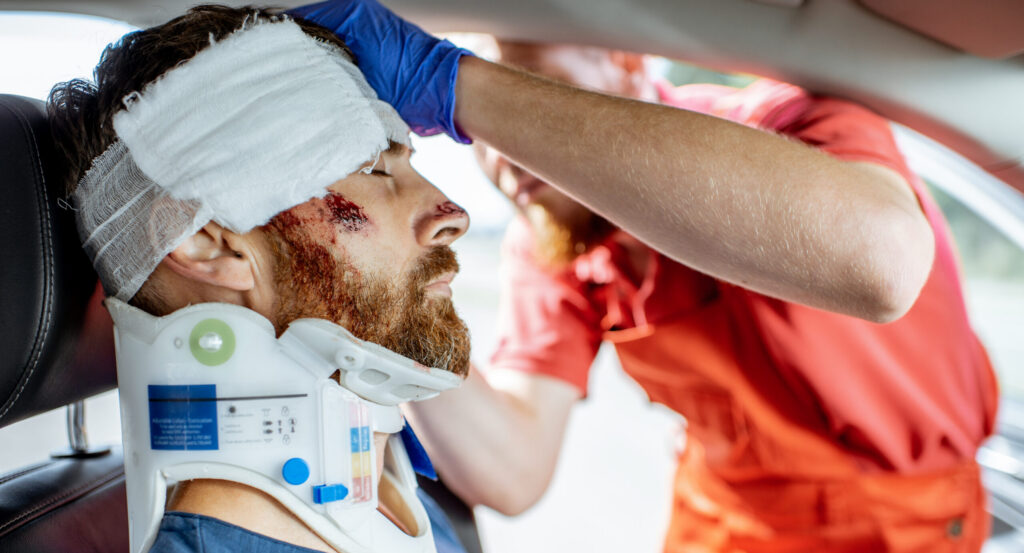
1. Traumatic Brain Injuries (TBI)
Traumatic brain injuries are among the most devastating injuries seen in Arizona courts. A violent blow or jolt to the head can permanently change memory, personality, and judgment.
Common causes include high-speed car crashes, motorcycle accidents, falls from heights, and unsafe conditions in care facilities.
A person with a severe brain injury may struggle with:
- Memory loss or confusion
- Personality changes or emotional instability
- Difficulty speaking or understanding language
- Loss of independence and decision-making ability
Some people require round-the-clock supervision for the rest of their lives.
In Arizona, brain injuries frequently appear in cases involving commercial trucking collisions, unsafe premises, and medical negligence during surgery or childbirth.
2. Spinal Cord Injuries and Paralysis
Spinal cord injuries often result in partial or complete paralysis. These injuries can happen in seconds but last forever.
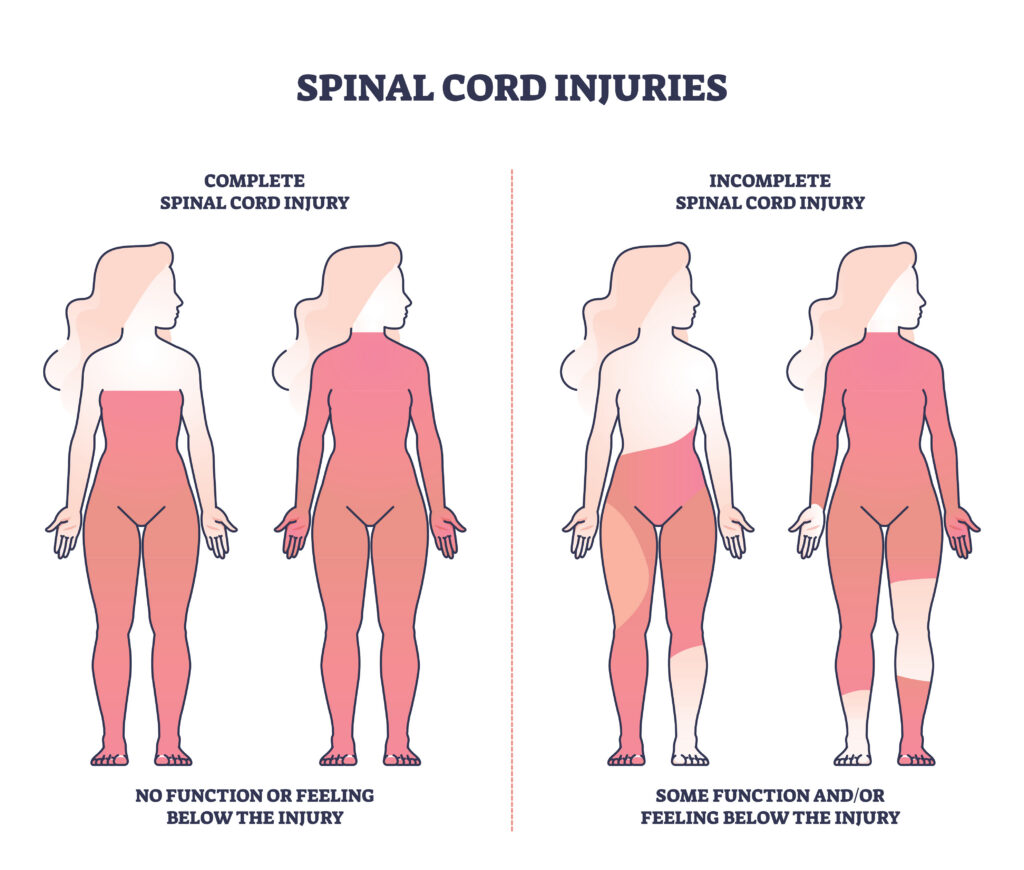
A damaged spinal cord interrupts communication between the brain and the body. Once that connection is broken, it rarely returns.
A person with a spinal cord injury may suffer:
- Paraplegia, paralysis of the lower body
- Quadriplegia, paralysis of all four limbs
- Loss of bladder and bowel control
- Chronic pain and muscle spasms
In Arizona, spinal cord injuries frequently occur in rollover crashes, construction falls, diving accidents, and industrial workplace incidents.The financial impact is staggering. Lifetime medical costs often reach into the millions, especially for younger victims.
3. Severe Burn Injuries
Burn injuries are among the most physically and emotionally painful catastrophic injuries.
Severe burn injuries often occur in:
- Industrial accidents
- Gas explosions
- Electrical injuries
- Apartment or workplace fires
Severe burns can lead to:
- Permanent scarring and disfigurement
- Loss of mobility due to skin tightening
- Repeated surgeries and grafts
- Infections and organ failure
Burn survivors often face years of painful treatment, psychological trauma, and social isolation. In Arizona’s extreme heat, workplace burn risks increase when safety rules are ignored.
4. Amputations and Loss of Limb
Losing a limb is not just a physical injury, it is a permanent loss of function, independence, and identity.
Amputations commonly result from:
- Crushing industrial accidents
- Heavy machinery failures
- Vehicle collisions
- Severe infections caused by medical negligence
Many people with amputations and loss of limb require:
- Prosthetics that must be replaced over time
- Ongoing physical therapy
- Modifications to homes and vehicles
- Vocational retraining
In Arizona, amputation cases often involve unsafe job sites, defective equipment, or delayed medical care that allowed preventable infections to spread.
5. Catastrophic Orthopedic Injuries
Some injuries do not involve paralysis but still permanently destroy mobility and independence.
Catastrophic orthopedic injuries include:
- Shattered pelvis or hips
- Multiple compound fractures
- Crushed joints requiring replacement
- Severe limb deformities
These injuries can prevent someone from standing, walking, or working again. For older adults, especially those in care facilities, catastrophic orthopedic injuries often result from preventable falls.
Common Causes of Catastrophic Injuries in Arizona
Catastrophic injuries rarely happen without warning signs. In many cases, they occur when safety rules are ignored, corners are cut, or vulnerable people are placed in dangerous situations without proper protection.
In Arizona, catastrophic injuries are most often caused by:
- Serious motor vehicle and trucking collisions on highways and major roadways
- Falls from heights, including construction site and ladder accidents
- Medical errors, delayed diagnoses, or surgical mistakes
- Nursing home neglect or abuse that leads to severe harm
- Workplace incidents involving heavy machinery, unsafe equipment, or hazardous conditions
When these failures result in permanent disability, cognitive impairment, or long-term medical dependence, the harm goes beyond a typical injury. It becomes catastrophic, with consequences that affect a person and their family for the rest of their lives.
Birth Injuries With Lifelong Consequences
Some catastrophic injuries happen at the very beginning of life.
Birth injuries caused by oxygen deprivation, delayed C-sections, or improper use of delivery tools can lead to permanent brain damage or physical disability.
Children with birth injuries may face:
- Cerebral palsy
- Developmental delays
- Seizure disorders
- Lifelong need for medical care and therapy
Arizona families facing birth injury cases are not just fighting for compensation, they are fighting for their child’s future security.
Catastrophic Injuries in Nursing Homes and Care Facilities
Not all catastrophic injuries happen in dramatic accidents. Many occur quietly in places meant to protect vulnerable people.
In Arizona nursing homes and assisted living facilities, catastrophic injuries often stem from neglect.
Examples of catastrophic injuries in nursing homes and care facilities include:
- Untreated bedsores leading to infection and sepsis
- Falls resulting in brain injuries or hip fractures
- Malnutrition causing organ damage
- Medication errors leading to stroke or cardiac injury
When a facility fails to provide adequate staffing or supervision, the consequences can be permanent or fatal.
Catastrophic Medical Malpractice Injuries
Medical mistakes can permanently damage lives when providers fail to follow basic standards of care.
Catastrophic malpractice injuries may include:
- Surgical errors causing organ damage
- Anesthesia mistakes leading to brain injury
- Misdiagnosis resulting in delayed cancer treatment
- Failure to monitor leading to stroke or cardiac arrest
These cases are complex and require deep medical knowledge to uncover what went wrong and why.
Legal Options After a Catastrophic Injury in Arizona
When an injury permanently changes your ability to live or work, the legal process looks different. Catastrophic injury cases are not about short-term recovery. They are about securing long-term stability, care, and accountability.Arizona law allows people who suffer catastrophic harm to pursue compensation beyond immediate medical bills.
Depending on how the injury occurred, legal options may include:
- Personal injury claims against negligent drivers, property owners, companies, or other responsible parties
- Medical malpractice claims when preventable medical errors cause permanent harm
- Workplace and third-party liability claims when unsafe conditions or equipment lead to catastrophic injury
- Nursing home abuse or neglect claims when vulnerable adults suffer life-altering harm in care facilities
These cases often involve compensation for lifelong medical care, future lost income, assistive devices, home modifications, and ongoing support needs. In fatal cases, surviving family members may also have the right to pursue a wrongful death claim.
Because catastrophic injuries affect decades of a person’s life, Arizona courts require detailed medical evidence, expert testimony, and a clear plan for long-term care costs. Choosing the right legal path early can make a meaningful difference in protecting your future.
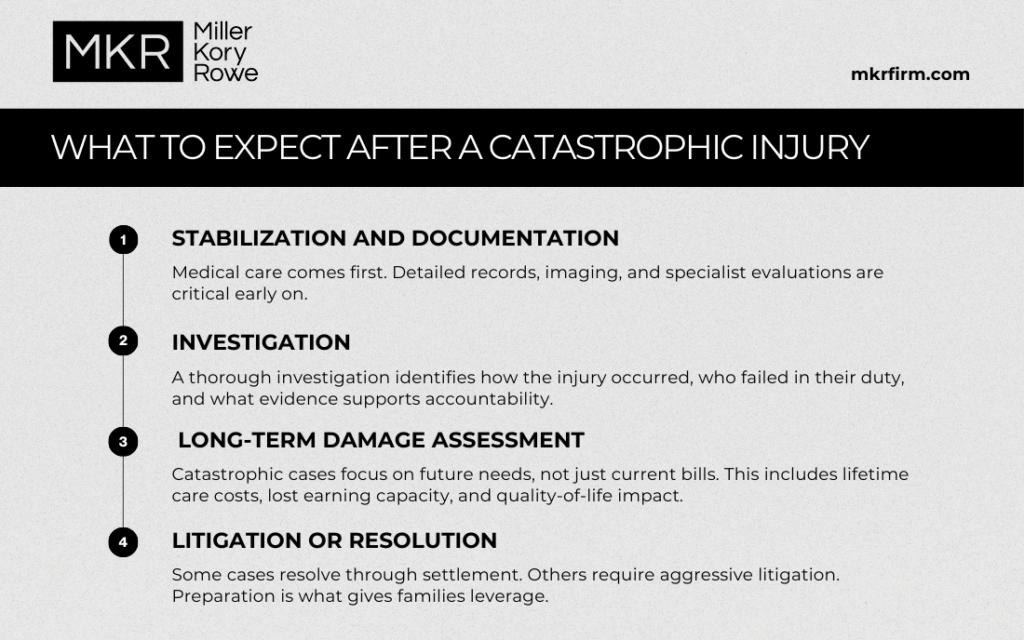
What to Expect After a Catastrophic Injury in Arizona
The legal process can feel overwhelming when you are already managing medical chaos. Knowing what comes next can restore a sense of control.
How Arizona Law Handles Catastrophic Injury Compensation
Catastrophic injuries require more than short-term financial help. Compensation in these cases is meant to protect a person’s future, not just cover what has already happened. Under Arizona law, compensation may account for the lifelong consequences of a catastrophic injury, including both current losses and future needs. Depending on the case, recoverable damages may include:
Medical and Long-Term Care Costs
Ongoing medical treatment, surgeries, rehabilitation, therapy, prescription medications, and specialized care. For many people, this also includes in-home care, skilled nursing, or long-term assisted living.
Lost Income and Earning Capacity
Income already lost during recovery, as well as the loss of future earning ability when an injury prevents a return to work or limits career options permanently.
Adaptive Equipment and Home Modifications
Wheelchairs, prosthetics, communication devices, mobility aids, and modifications to vehicles or living spaces needed to maintain independence and safety.
Pain, Suffering, and Loss of Quality of Life
Compensation for physical pain, emotional distress, and the profound ways a catastrophic injury changes daily life, relationships, and personal independence.
Family and Caregiver Impact
In some cases, compensation may reflect the time, labor, and emotional toll placed on family members who provide ongoing care or support.
Because catastrophic injuries often affect someone for decades, Arizona courts allow claims to consider future medical costs and long-term care planning. Properly valuing these damages requires medical experts, life-care planners, and a clear understanding of what life will look like years from now.
FAQs About Catastrophic Injuries in Arizona
Q: How long do I have to file a catastrophic injury claim in Arizona?
Most personal injury claims must be filed within two years, but exceptions apply, especially for children or medical malpractice cases.
Q: Can catastrophic injuries involve more than one responsible party?
Yes. Employers, drivers, manufacturers, facilities, and medical providers may all share responsibility.
Q: What compensation is available for catastrophic injuries?
Compensation may include medical costs, future care, lost income, home modifications, and loss of quality of life.
Q: Do Arizona nursing home injuries count as catastrophic injuries?
Yes. Severe falls, infections, and neglect-related harm in care facilities can qualify as catastrophic injuries.
Q: What if the injury happened at work?
Workers’ compensation may apply, but third-party claims are often critical in catastrophic injury cases.
Bottom Line
Catastrophic injuries change everything. They affect your body, your family, and your future. In Arizona, these injuries often happen because someone chose speed over safety, profit over care, or convenience over responsibility.
You should not have to navigate this alone.
If you or someone you love has suffered a catastrophic injury, getting clear answers and strong advocacy matters. The right legal guidance can help secure the care, stability, and accountability your family deserves.
Need help navigating a difficult case? The attorneys at Miller Kory Rowe offer skilled, compassionate support right here in Arizona. Reach out today.