
When a Preventable Medical Mistake Changes a Child’s Life
Birth injuries often happen in seconds, but their effects can last a lifetime. Many result from preventable medical mistakes. When errors during labor or delivery cause harm, Arizona law allows families to seek answers, accountability, and the resources their child will need to move forward.
The day your child is born is supposed to be filled with relief and joy. When something goes wrong instead, everything shifts. Fear replaces excitement. Questions pile up faster than answers. You replay moments in your head, wondering whether someone should have acted sooner or differently.
At Miller Kory Rowe, we understand how devastating this is for families. Our birth injury attorneys work with Phoenix families to uncover what happened, determine whether standards of care were violated, and explain the legal options available. With each case, we aim to protect your child’s long-term well-being while holding negligent providers accountable under Arizona law.
Birth Injuries vs. Birth Defects
A birth injury is harm that occurs before, during, or shortly after labor and delivery, often due to how medical care was provided. A birth defect usually develops during early pregnancy and is not caused by errors during delivery.
This difference matters. Birth injuries may support a medical malpractice claim if healthcare providers failed to follow accepted standards of care. Birth defects typically do not.
Families are often told complications were unavoidable. In reality, many birth injuries occur after warning signs were missed, dismissed, or not acted on in time.
Birth Injury Statistics That Put the Risk in Context
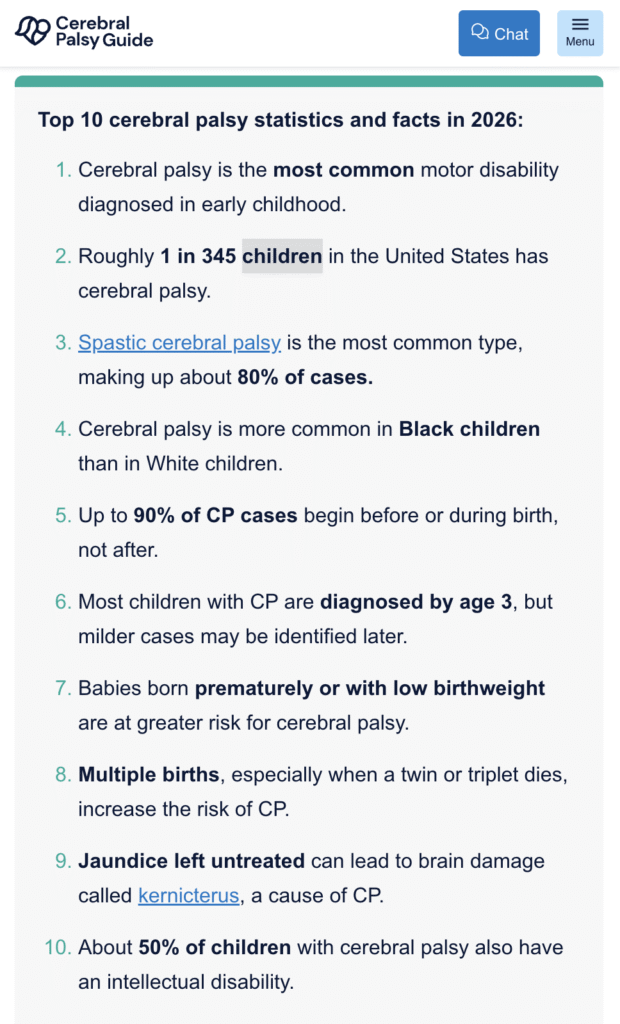
National birth injury data shows that up to 7 out of every 1,000 live births in the United States involve some form of birth injury. While some injuries are minor and resolve quickly, others result in permanent disabilities and long-term medical needs that can affect a child for life.
Key data points include:
- Oxygen deprivation injuries occur in approximately 1 to 3 per 1,000 births, often linked to delayed response to fetal distress
- Cerebral palsy affects about 1 in 345 children, with medical negligence during labor and delivery recognized as a contributing factor in some cases
- Brachial plexus injuries, including Erb’s palsy, occur in roughly 1 to 2 per 1,000 births
- Instrument-assisted deliveries using forceps or vacuum extraction carry higher risks of head trauma and nerve damage when improperly performed
Phoenix hospitals handle thousands of deliveries each year. High patient volume, staffing pressures, and delayed interventions increase the risk of preventable injury when protocols are not followed.
Common Types of Birth Injuries
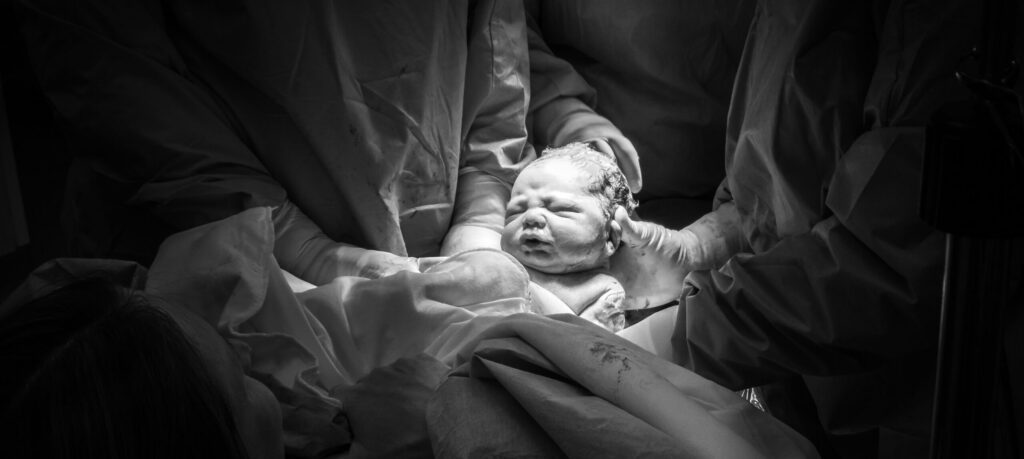
1. Oxygen Deprivation and Brain Injuries
One of the most serious birth injuries involves reduced oxygen or blood flow to a baby’s brain.
Oxygen deprivation and brain injuries may occur when:
- Fetal distress appears on monitoring strips but is not addressed
- Labor continues too long without escalation
- An emergency C-section is delayed
- Umbilical cord complications are mishandled
Brain injuries can result in cerebral palsy, seizures, developmental delays, and cognitive impairment. These conditions often require lifelong therapy, medical treatment, and support.
2. Shoulder Dystocia and Brachial Plexus Injuries
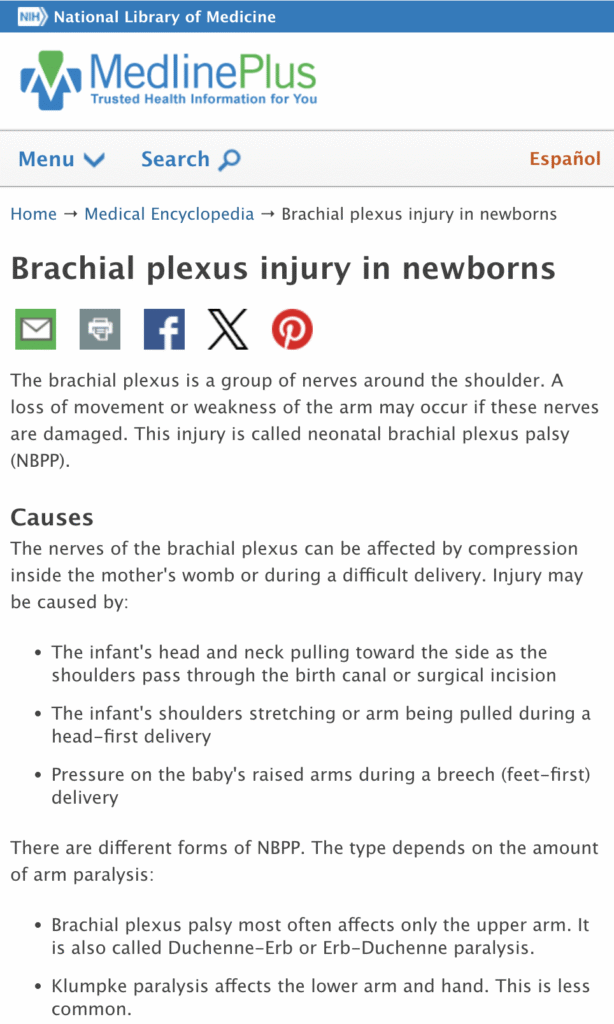
Shoulder dystocia happens when a baby’s shoulder becomes lodged behind the pelvic bone during delivery. It is a medical emergency requiring trained, controlled response.
When excessive force is used, the brachial plexus nerves that control the arm and shoulder may be damaged.
Possible outcomes of shoulder dystocia and brachial plexus injuries include:
- Erb’s palsy
- Weakness or loss of arm movement
- Permanent nerve damage
Many of these injuries could have been avoided with proper delivery planning or a timely C-section.
3. Head Trauma From Forceps or Vacuum Extraction
Forceps and vacuum extractors can be appropriate in limited circumstances. When used improperly or without clear medical need, they can cause serious harm.
Head trauma from forceps or vacuum extraction injuries include:
- Skull fractures
- Brain bleeds
- Swelling or bruising of the brain
- Long-term neurological damage
These injuries often require NICU care and may not be immediately apparent at birth.
4. Facial Nerve Injuries
Pressure during delivery, especially during prolonged labor or forceps use, can damage facial nerves.
Signs of facial nerve injuries may include:
- Facial drooping
- Difficulty feeding
- Limited facial movement
Some injuries resolve on their own. Others persist and affect speech, eating, and appearance, especially when diagnosis or treatment is delayed.
5. Spinal Cord and Neck Injuries
Improper handling or excessive traction during delivery can injure a baby’s spinal cord or neck.
These injuries are rare but often catastrophic, potentially causing paralysis, breathing difficulties, or permanent neurological impairment. They frequently point to serious delivery mismanagement.
6. Bone Fractures During Delivery
Difficult deliveries can result in broken bones, most commonly the collarbone.
While many fractures heal, others cause lasting pain, limited mobility, or improper bone growth. Severe or repeated fractures may indicate unnecessary force or poor delivery planning.
Infections Caused by Delayed Diagnosis or Treatment
Birth injuries are not always traumatic. Failure to diagnose or treat infections during pregnancy or labor can expose a newborn to serious harm.
Examples of infections include:
- Untreated Group B strep
- Maternal infections ignored during labor
- Delayed antibiotics
These failures can lead to sepsis, brain injury, or long-term developmental challenges.
Proving Liability in Phoenix Birth Injury Cases
Birth injury claims fall under Arizona medical malpractice law. To move forward, families must present substantial evidence showing that a medical provider failed to meet the legal standard required in malpractice cases.
This typically involves proving:
- A provider-patient relationship existed
The doctor, nurse, or hospital was responsible for the mother’s or baby’s care during labor and delivery. - A duty of care was owed
Medical professionals must provide care consistent with accepted medical standards under similar circumstances. - That duty was breached
The provider failed to act as a reasonably careful medical professional would have, through delayed action, missed warning signs, poor judgment, or improper techniques. - The breach caused the birth injury
There must be a direct connection between the provider’s conduct and the injury. - The injury resulted in damages
This includes medical needs, long-term care, developmental challenges, and the financial and emotional impact on the family.
If safer medical choices were available and not taken, and those choices could have prevented the injury, liability may exist under Arizona law.
What Compensation Can Address in Phoenix Birth Injury Claims
The financial impact of a birth injury often lasts a lifetime. Phoenix birth injury claims are structured to reflect both immediate and long-term needs.
Compensation may cover:
- Ongoing medical care and future surgeries
- Physical, occupational, and speech therapy
- Medications and medical supplies
- Assistive devices and mobility equipment
- Home modifications for accessibility and safety
- Long-term care services and in-home support
- Loss of future earning capacity when independence is limited
Arizona does not cap medical malpractice damages, which is critical in cases involving lifelong care.
These claims are about stability, dignity, and ensuring a child has access to the care they will need for years to come.
What Families Can Expect After Reaching Out
Pursuing a claim should not add stress during an already painful time. The process is focused on uncovering the truth.
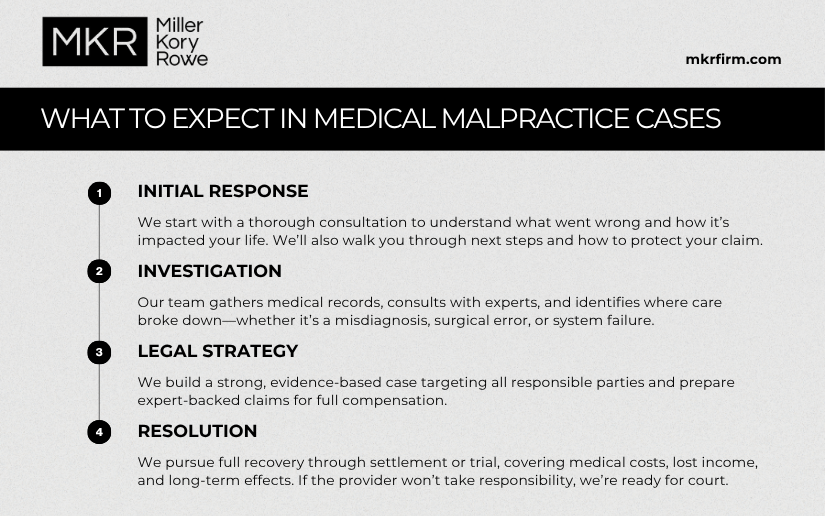
MKR carries the legal burden so your family can focus on what matters most, your child’s care, recovery, and long-term well-being. While you attend medical appointments, coordinate therapy, and support your child’s development, our team investigates what happened, preserves critical evidence, consults with medical experts, and builds a case designed to secure the financial resources your family may need for years to come.
Frequently Asked Questions About Birth Injuries in Arizona
Q: Do birth injuries always appear immediately?
No. Some become apparent months or years later through developmental delays.
Q: How long do I have to file a claim?
Arizona has specific deadlines, especially for cases involving children. Early review matters.
Q: What compensation may be available?
Medical care, therapy, assistive equipment, home modifications, and future care costs.
Q: Do I need proof before calling a lawyer?
No. Medical records and expert review provide answers.
Q: Is Arizona different from other states?
Yes. Arizona’s lack of damage caps makes experienced local counsel essential.
Bottom Line
Birth injuries can alter the course of a child’s life and a family’s future. When those injuries are preventable, families deserve answers, accountability, and meaningful support.
If something about your delivery doesn’t feel right, trust that instinct. You don’t need certainty to ask questions. You need a legal team that listens and knows how to uncover the truth.
Need help navigating a difficult case? The attorneys at Miller Kory Rowe offer skilled, compassionate support right here in Arizona. Reach out today.