
Hip fractures are a major cause of disability among older adults, most often caused by falls.
Treatment typically involves surgery and extensive physical therapy. In well-managed nursing home facilities, rehabilitation begins within 48 hours, with patients regaining limited mobility in about 6 to 12 weeks. Complete recovery can take six months to a year, depending on health, nutrition, and consistency of care.
There are many reasons older adults may fall, including balance problems, medication side effects, and chronic health conditions.
But if negligence or abuse caused a loved one’s hip fracture, family members can file a claim for financial compensation and hold the facility accountable.

Treatment Options for Hip Fractures in Older Adults
Treatment for a hip fracture depends on the location and severity of the break, as well as the patient’s age, overall health, and mobility level before the injury. Most older adults require surgery, followed by a carefully managed rehabilitation plan.
1. Surgical Treatments
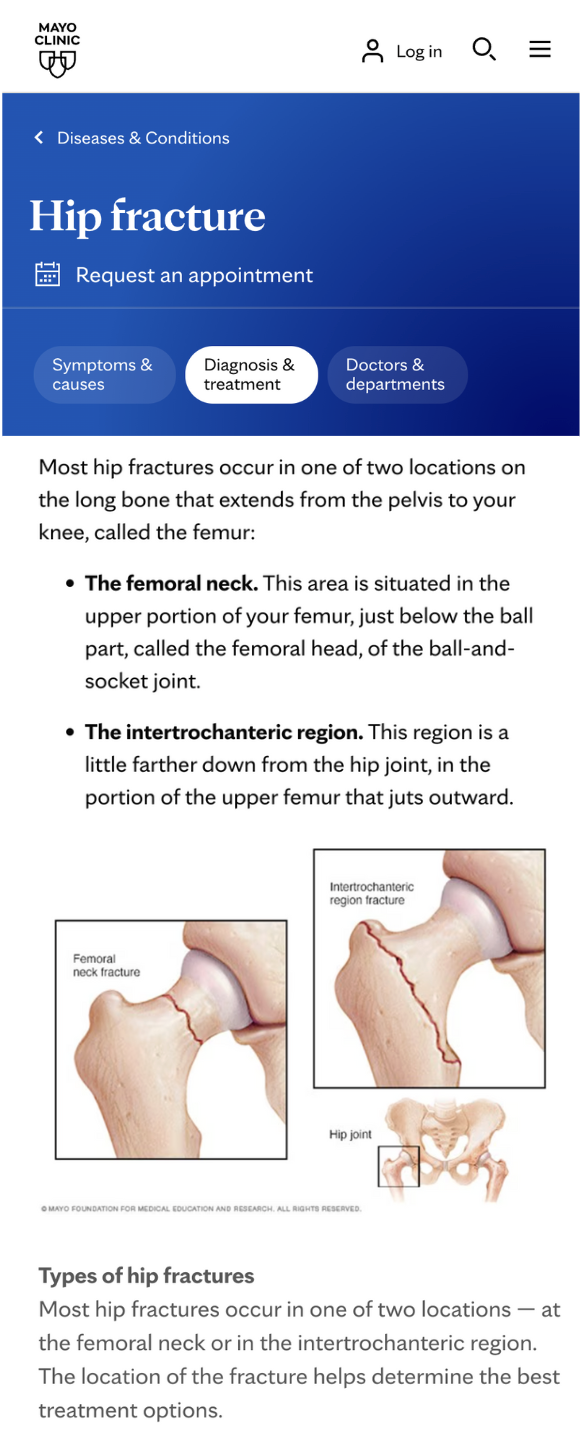
- Hip Pinning or Internal Fixation: Metal screws or rods are used to hold the bone together while it heals. This is common for partial fractures or breaks that occur high on the femur.
- Partial Hip Replacement (Hemiarthroplasty): The damaged portion of the femur is replaced with an artificial implant. This option is often used when the fracture disrupts blood flow to the bone.
- Total Hip Replacement: Both the ball and socket of the joint are replaced with prosthetic components. This procedure is recommended when arthritis or severe damage affects the joint’s stability.
2. Non-Surgical Treatments
Some older adults may not be healthy enough to undergo surgery. In these cases, non-surgical care may include:
- Traction or Immobilization: Temporary measures to align the bone and reduce pain.
- Pain Management: Medication and comfort care for patients unable to tolerate surgery.
- Assisted Mobility: Physical therapy to maintain muscle tone and prevent complications such as pressure sores or pneumonia.
3. Rehabilitation and Supportive Care
After surgery or non-surgical stabilization, the focus shifts to recovery and rehabilitation. Effective treatment should include:
- Early physical therapy, ideally within 48 hours.
- Nutritional support to promote bone healing.
- Regular monitoring for complications such as infection or blood clots.
- Fall-prevention strategies and safe mobility training.
Older adults often need short-term rehabilitation in a hospital or skilled nursing facility. Others may require long-term care if mobility cannot be fully regained. Regardless of the approach, consistent therapy and attentive nursing care are critical to recovery.
When these treatments are delayed, inconsistent, or poorly managed, the risk of complications increases. Families should expect clear communication from medical staff about the type of surgery performed, the rehabilitation plan, and the progress being made.
How Long It Takes an Older Adult to Recover from a Hip Fracture
Recovery from a hip fracture is rarely fast, especially for older adults. The healing process depends on age, overall health, the type of fracture, and how quickly rehabilitation begins. In Arizona’s nursing homes and hospitals, most patients follow a similar general timeline:
|
Stage of Recovery |
Typical Time Frame |
What Usually Happens |
|
Hospital Stay and Surgery |
1–5 days |
The fracture is repaired or replaced surgically. Doctors monitor for complications such as blood clots or infection. |
|
Early Rehabilitation |
2–6 weeks |
Physical therapy begins. Patients start walking short distances with assistance or mobility aids. |
|
Intermediate Recovery |
6–12 weeks |
Mobility improves. Strength training and occupational therapy focus on daily living activities like dressing and bathing. |
|
Ongoing Healing |
3–6 months |
Continued therapy helps maintain balance, coordination, and endurance. Many seniors regain partial independence during this time. |
|
Full Recovery |
Up to 1 year |
Healing may continue for several months. The goal is to return to a safe level of mobility and prevent future falls. |
It’s important to remember that these are general guidelines, not guarantees. A healthy, active senior who receives consistent rehabilitation may walk again within weeks. Others, especially those with chronic conditions or limited therapy access, may take several months.
When progress stops suddenly, or when physical therapy is inconsistent, it may signal a deeper issue. Families should ask for updates from medical staff and ensure care plans are followed closely.
Elderly Hip Fracture Statistics in Arizona
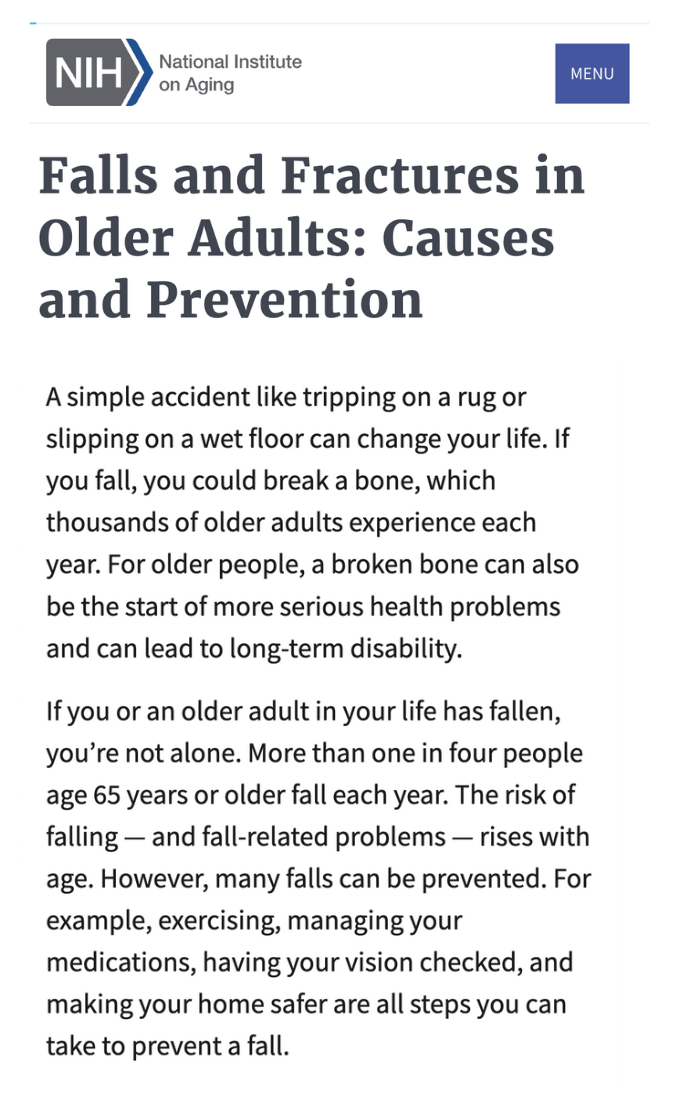
Understanding how common hip fractures are helps families see how serious the problem is across Arizona and the nation.
- According to the Centers for Disease Control and Prevention (CDC), more than 95% of hip fractures in older adults are caused by falls.
- Nationally, the National Institute on Aging (NIA) estimates that one in four adults over 65 experiences a fall each year, and hip fractures are among the most serious outcomes.
- Within a year of suffering a hip fracture, up to 20% of older adults die from complications, according to data from the National Library of Medicine.
- Those who survive often face long-term disability or permanent loss of independence, particularly when rehabilitation is delayed or mismanaged.
These numbers highlight what many Arizona families already know firsthand: a hip fracture is more than just a broken bone. Without proper care, it can permanently alter a senior’s health, mobility, and quality of life.
“Not every fracture means abuse or neglect, but repeated falls or unexplained injuries should never be ignored. Families have every right to ask questions and demand a proper investigation.”
— Gabriel V. Kory, Partner, Elder Abuse Litigator
How Miller Kory Rowe Supports Families
When families contact MKR after a nursing home fall, they’re often heartbroken and unsure what’s next. The firm’s attorneys step in to uncover what really happened and to demand accountability.
Comprehensive Investigation: MKR reviews medical records, staff logs, and facility reports.
Expert Collaboration: Attorneys consult medical specialists to analyze recovery delays or surgical complications.
Family Advocacy: The firm keeps families informed and supported at every step.
Justice and Compensation: MKR fights to recover damages for medical bills, pain and suffering, and loss of quality of life.
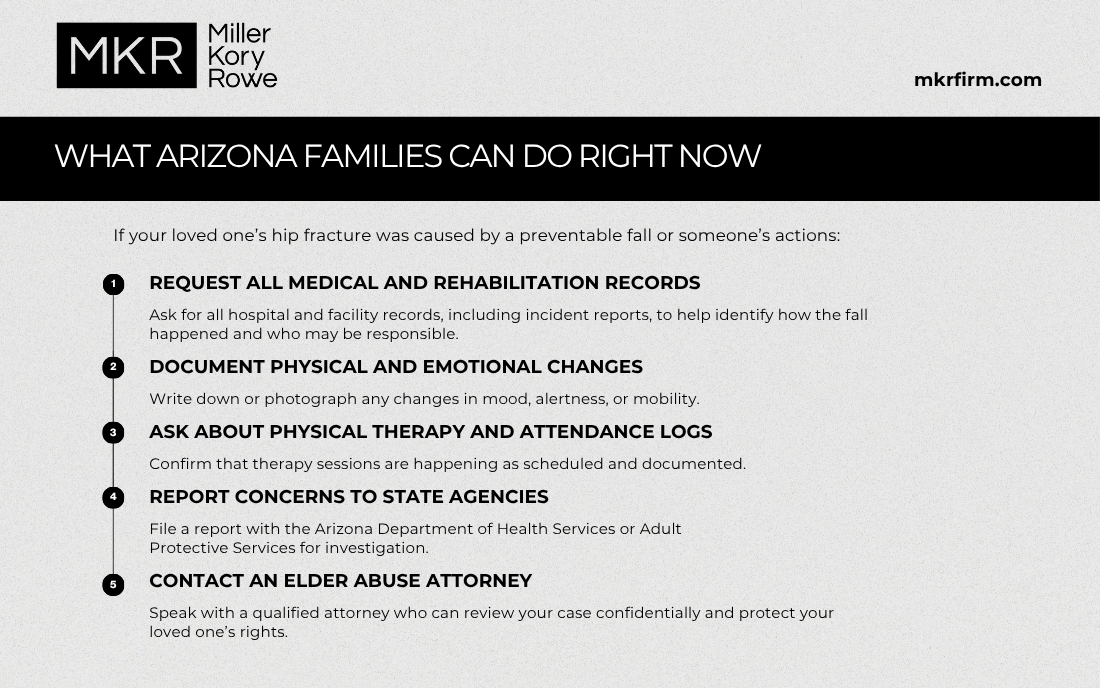
FAQs About Hip Fracture Recovery and Neglect
Q: How long should it take for an elderly person to walk again after a hip fracture?
Many patients begin assisted walking within the first few weeks after surgery. If a resident isn’t mobile after six to eight weeks and there’s no medical reason, that delay may need review.
Q: Can a nursing home be sued for a fall that caused a hip fracture?
Yes. If staff failed to follow safety protocols such as using bed rails, alarms, or supervision, a facility may be held responsible for negligence.
Q: Can medication errors lead to a fall?
Yes. Overmedication or incorrect dosages can cause dizziness, confusion, or loss of balance. If medication mistakes led to a fall, this may be considered medical negligence.
Q: What’s the average hip fracture recovery time in Arizona nursing homes?
While every case varies, most healthy seniors should regain some independence within three months. Extended bedrest or inactivity can indicate neglect.
Q: What compensation can families pursue after nursing home negligence?
Damages may include medical costs, pain and suffering, emotional distress, and wrongful death compensation if neglect leads to fatal complications.
Contact Our Phoenix Elder Neglect Lawyers today
Hip fractures are serious, and families deserve answers when someone’s actions or inattention caused the fall. If your loved one was injured because proper care or supervision was missing, you have every right to seek accountability.
The attorneys at Miller Kory Rowe have decades of experience holding negligent nursing home facilities accountable and protecting seniors who are vulnerable.
With offices in Tucson and Phoenix, our firm is uniquely positioned to serve clients across the state of Arizona.
Need help navigating a difficult case? The attorneys at Miller Kory Rowe offer skilled, compassionate support right here in Arizona. Contact us today at (602) 654-1095 for a free initial consultation and review of your case.