
After a crash, insurance companies do not simply accept your account of what happened. Adjusters are trained to scrutinize fault, question injury claims, and look for grounds to limit financial responsibility.
A police accident report adds an important layer of legal credibility. Prepared by a responding officer shortly after the collision, it creates an official, third-party record of the event. Insurers often rely on this report early in the claims process, which can significantly influence how liability and damages are evaluated.
If your crash happened in Phoenix, the report created by the Phoenix Police Department can become a key piece of evidence in an insurance claim or lawsuit. It documents what happened, who was involved, and what the responding officer observed at the scene.
Here’s how to get a copy, and why it matters.
Why a Phoenix Police Accident Report Matters
After an accident, insurance companies don’t simply take your word for what happened. Adjusters look for reasons to question fault, downplay injuries, or reduce payouts.
A police accident report helps level the playing field. It creates an official record of the crash, written by a neutral third party, close in time to when the collision occurred. That record often becomes one of the first documents insurers review.
How to Request a Phoenix Police Accident Report
There are 4 ways to request your accident report from the Phoenix Police Department.
Phoenix Police Department Public Records & Services Unit
The Phoenix Police Department’s Public Records & Services Unit processes accident reports, incident reports, and other public safety records for the City of Phoenix. Requests can be submitted online, in person, by mail, or with phone assistance.
Location and Office Hours
- Address: 1717 E. Grant Street, Suite 100, Phoenix, AZ 85034
- Phone: (602) 534-1127
- Hours: Monday through Friday, 8:00 a.m. to 4:00 p.m.
(Closed on holidays)
Ways to Request a Phoenix Police Accident Report
1. Request Records Online
For many people, requesting an accident report online is the easiest and fastest option.
You can submit a request through the City of Phoenix public records portal at:
phxpublicsafety.phoenix.gov
You may also submit a request through the Phoenix Police Department’s records email page:
https://www.phoenix.gov/administration/departments/police/contact-us/email-police.html
When submitting a request, you’ll need basic information about the crash, such as the date, location, and names of those involved.
2. Request Records In Person
You may request accident reports and other records in person by visiting the Public Records & Services Unit at:
1717 E. Grant Street, Suite 100
Phoenix, AZ 85034
In-person requests are accepted during regular business hours.
3. Request Records by Email
You can submit a records request by email through the Phoenix Police Department.
Be sure to include enough information to identify the report you’re requesting, such as the date, location, and names of those involved.
4. Request Records by Phone
If you have questions or need help with your request, you can contact the Public Records & Services Unit by phone at:
(602) 534-1127
Staff can assist with general questions or help you determine the best way to request your records.
Additional Resources
If you need more assistance or are looking for additional contact options, the following resources may be helpful:
Phoenix Police Department public records and crime data:
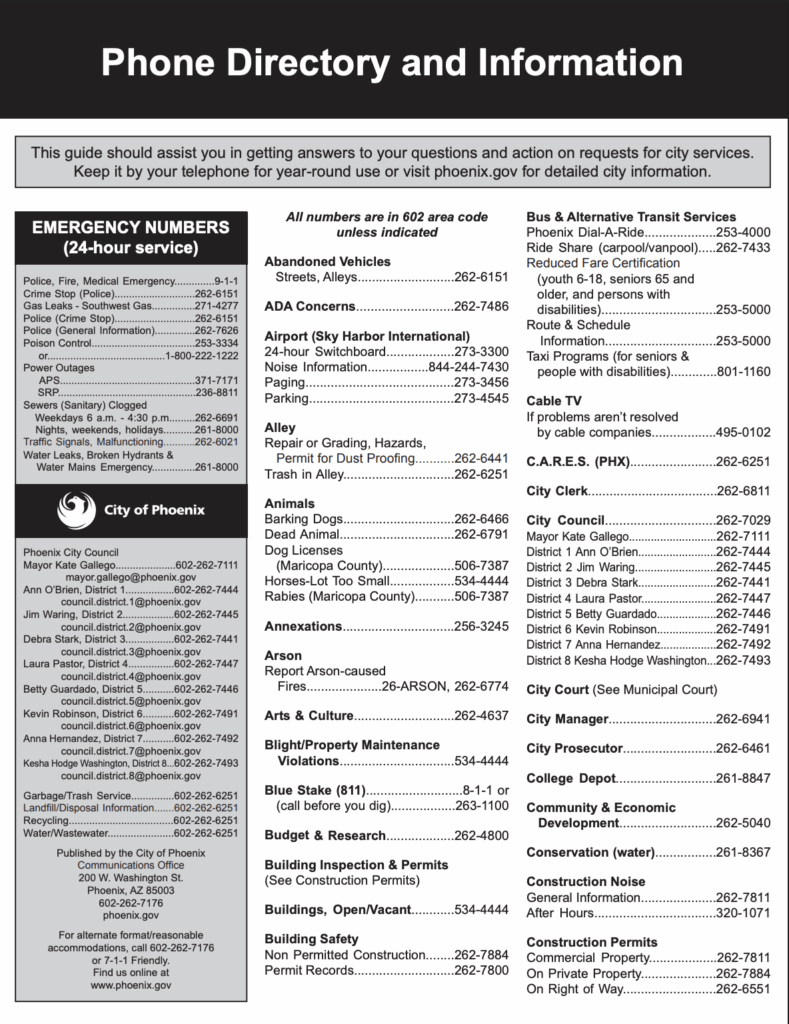
Phoenix Police Department phone directory:
View the department directory for additional contact options
City of Phoenix contact information:
https://www.phoenix.gov/contact-us.html
City of Phoenix public records requests:
What Information Is Included in a Phoenix Police Accident Report?
A Phoenix police accident report typically includes details that can strongly support your injury claim, such as:
- The responding officer’s observations and initial assessment
- Names and contact information for drivers and involved parties
- Date, time, and location of the crash
- A description of how the collision occurred
- Noted injuries and property damage
- Road, weather, or traffic conditions that may have contributed
Insurance companies often rely heavily on this information when deciding fault and compensation.
How a Police Accident Report Can Affect Your Compensation
If another driver caused your crash, their insurance company may still try to limit what they pay. Adjusters are trained to question injury severity, shift blame, or suggest the damage was minor.
A police report can help counter those tactics. When the officer’s findings align with your account, your attorney can use the report to support negotiations or present evidence if the case moves forward.
This can make a meaningful difference when pursuing compensation for:
- Medical bills
- Lost income
- Pain and suffering
- Future treatment needs
When Getting the Report Becomes a Problem
Sometimes reports are delayed, incomplete, or difficult to access. Other times, families are simply too overwhelmed to handle paperwork while dealing with injuries and recovery.
That’s where legal support can help.
Talk to a Phoenix Car Accident Lawyer Who Can Help
Police accident reports are important, but they’re only one part of building a strong case. If you’re having trouble obtaining your report, or if an insurance company is already pushing back, having an advocate matters.
A Phoenix car accident lawyer at Miller Kory Rowe LLP can help you secure the records you need and use them effectively to protect your claim. The firm has experience guiding Arizona families through the legal process with clarity and care.
To schedule a consultation, call (602) 648-4045 or reach out through the online contact form. You deserve answers, support, and a legal team that takes your recovery seriously.
Bottom Line
A Phoenix police accident report can play a critical role in proving what happened after a crash. Knowing how to request it, and how it’s used, puts you in a stronger position from the start. If the process feels confusing or overwhelming, you don’t have to handle it alone. Help is available, and the right guidance can make all the difference.